

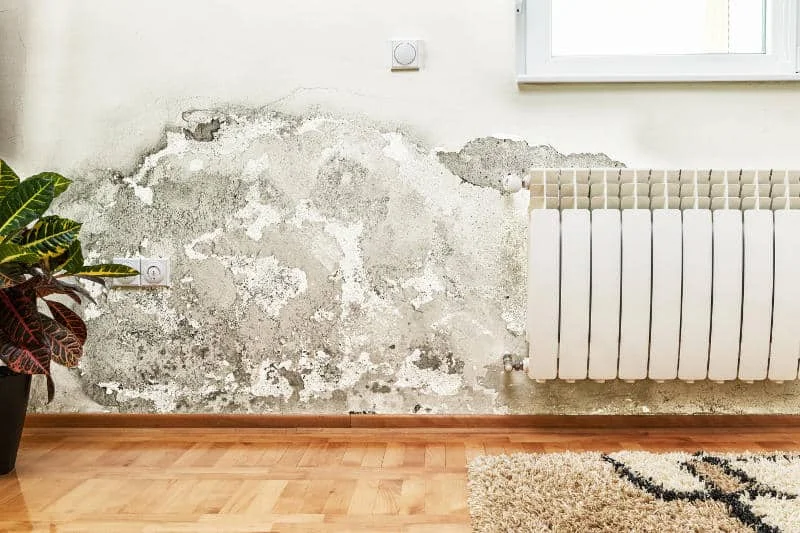
The first 24 hours after water damage can make the difference between a minor repair and a major restoration. In many cases, the cost of recovery depends on the decisions you make in those first few hours, not days later.
That’s why having a clear plan matters. Instead of wondering what to do next, you can focus on the actions that help limit damage, protect your property, and make the restoration process easier.
In this guide, the restoration team at Octagon Cleaning & Restoration walks you through exactly what to do during the first 24 hours after water damage in your Maine or New Hampshire home.
Stop. Assess. Protect. (The First 30 Minutes)
As soon as you discover water damage, focus on these three priority steps to help protect your home and limit further damage.
Step 1: Turn Off the Source
If water is still flowing into your home from a burst pipe or another plumbing problem, turn off your home’s main water supply immediately. The sooner the water stops, the less damage it can cause to your floors, walls, and belongings.
Once you have stopped the flow of water, take a quick look around the affected area to make sure no new water is entering. If a frozen or burst pipe caused the damage, it’s also worth taking some time afterward to learn what may have caused the issue and how similar water damage can be prevented in the future.
Step 2: Document and Move Valuables
Once the situation is under control, document everything before moving or cleaning anything. Use your phone to take clear photos and videos of the affected rooms, damaged furniture, flooring, walls, and personal belongings. These records can be extremely helpful when filing an insurance claim.
Next, if it is safe to do so, move valuable items, important documents, electronics, and furniture away from standing water. Water spreads quickly, and many materials absorb moisture surprisingly fast.
Step 3: Call a Professional Immediately
Even if the damage does not seem severe, it is important to contact a professional restoration company as soon as possible. Water often travels behind walls, beneath flooring, and into areas you cannot easily see.
For that reason, try to contact Octagon Cleaning & Restoration within the first hour whenever possible. Early professional drying and moisture control can significantly reduce the risk of structural damage and mold growth.
Maine: 207-893-0002
New Hampshire: 603-239-2100
The Mold Clock Starts Now
Mold does not wait. Many people assume they have several days before it becomes a concern, but that’s rarely the case.
Mold Can Start Growing Within 24–48 Hours
Mold can begin growing within 24 to 48 hours after water exposure if materials remain damp. That means wet drywall, wood, carpet, and even subflooring can quickly become a place where mold starts to grow.
Because of this, the first 24 hours are so important. If standing water has not been removed or building materials are still wet after the first 12 hours, mold already has a head start.
What Mold Growth Looks Like (and When It Becomes Dangerous)
One of the biggest challenges with mold is that it usually starts where you cannot see it. In the early stages, it can grow on dust, dirt, pet dander, and other tiny organic materials trapped between walls. As a result, you may not notice any visible spots at first.
Instead, the first warning sign is often a musty or damp smell. If your home develops an unusual odor after water damage, do not ignore it. It’s often a sign that hidden moisture is creating the right conditions for mold growth.
And for families with young children or other respiratory sensitivities, mold can become a health concern. That’s why professional restoration teams use moisture meters and thermal imaging to locate hidden pockets of moisture during the first 24 hours and begin drying them before mold has the opportunity to spread.
Can Water Damage Go Away on Its Own?
The short answer is no, not really.
Why “Waiting It Out” Always Backfires
Many homeowners think opening a few windows or running a fan for a day or two will solve the problem. Although better airflow can help dry surface moisture, it won’t remove the water that’s trapped deeper inside your home. As a result, three things usually happen:
Hidden moisture stays trapped. Water does not just sit on the surface. It seeps behind drywall and into insulation where fresh air cannot easily reach.
Mold has more time to grow. As mentioned earlier, mold can begin developing within 24 to 48 hours. Sp every hour spent waiting gives mold a better chance to establish itself.
Structural damage continues to spread. Damp drywall begins to weaken, wood can start to rot, and moisture may even affect flooring. What starts as a relatively small repair can become a much larger restoration project if left untreated.
The “Looks Dry” Trap
One of the biggest mistakes homeowners make is assuming that dry-looking materials are actually dry. For example, a wall may feel completely dry when you touch it, but the insulation behind it is still holding a significant amount of moisture.
Everything may appear perfectly normal for days or even weeks. Then the warning signs begin to appear. You may notice a musty smell, see mold spots developing, or find that your energy bills have increased because insulation is no longer doing its job.
What Actually Dries Water Quickly? (Spoiler: Not an Open Window)
Professional Drying vs. DIY Drying
Professional restoration companies use industrial-grade air movers and dehumidifiers that are built specifically for water damage. These machines continuously pull moisture from both the air and building materials, helping your home dry much faster than a standard household fan or HVAC system .
In many situations, professional drying takes about three to four days when the right equipment is installed early. Without that equipment, the drying process can stretch into weeks.
Why Moisture Meters and Thermal Imaging Matter in Hour One
Before any drying equipment is set up, it’s essential to determine exactly where the water has traveled. At Octagon Cleaning & Restoration, we use moisture meters to measure how much water is trapped inside building materials, even when they feel dry on the surface.
We also use thermal imaging to identify areas that often indicate hidden moisture. Together, these tools allow us to place drying equipment exactly where it is needed and also help us verify that your home is truly dry before the equipment is removed.
Your 24-Hour Checklist
When you are dealing with water damage, it’s easy to feel overwhelmed. Fortunately, you do not have to figure everything out at once. Here’s what you can do:
- Shut off the water source if the damage was caused by a burst pipe, leaking appliance, or another plumbing issue.
- Take photos and videos of the affected areas before you begin moving or cleaning anything. This documentation can be valuable for your insurance claim.
- Move valuables and furniture away from standing water if it’s safe to do so.
- Call Octagon Cleaning & Restoration as soon as possible, ideally within the first hour.
- Pay attention to musty odors or soft spots in walls, floors, or ceilings. These can be signs that hidden moisture is still present.
- Don’t assume the problem will resolve on its own. Even if surfaces appear dry, moisture can remain trapped inside your home’s structure.
- Be prepared to discuss your insurance coverage if you plan to file a claim.
When to Worry About Mold Health Risks
Even if you have followed every step in the checklist, there’s one more thing you should not overlook: the potential health risks of mold. As mold begins to grow, some family members may develop symptoms.
For example, if someone in your household develops a new cough, nasal congestion, or other respiratory symptoms after water damage, it’s important to take the situation seriously. Young children, older adults, and people with asthma, allergies, or weakened immune systems are often more sensitive to mold exposure.
Water Damage Doesn’t Get Better With Time
After years of helping homeowners across Maine and New Hampshire, we have seen the same pattern again and again. The sooner water damage is addressed, the easier it is to stop, the less expensive it is to repair, and the more likely it is that mold can be prevented.
If water damage is happening in your home right now, do not wait to see what happens next. The sooner our team can assess the situation, the sooner we can begin drying your home and help prevent further damage.
Call Octagon Cleaning & Restoration 24/7 for a free inspection.
Maine: 207-893-0002
New Hampshire: 603-239-2100
We are available day and night because water damage does not wait, and neither should you. The sooner we arrive, the sooner we can help protect your home before the damage spreads further.