

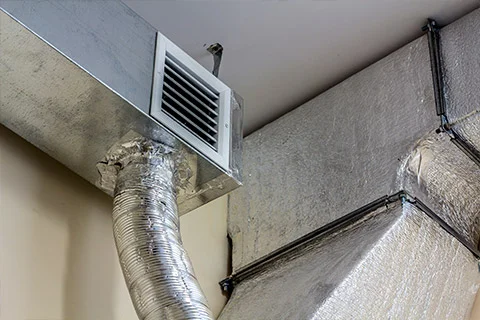
Dirty ductwork is easy to overlook because most of it stays out of sight. Yet the signs can show up throughout the building, like rising energy bills or employees noticing changes in comfort. Meanwhile, dust, allergens, and moisture-related contaminants can also accumulate inside the system and affect indoor air quality.
This is mainly because many facility managers and business owners across Maine and New Hampshire often push commercial duct cleaning aside until those problems become difficult to ignore. That is why knowing when to take action matters.
This guide explains when your ducts may need attention and what professional cleaning can realistically accomplish. It also explains why NADCA standards matter when you are planning fall facility maintenance and preparing your building for winter.
Why Commercial Ducts Get Dirty Faster Than You Think
Commercial buildings naturally put more demand on their HVAC systems. Offices have steady employee traffic, industrial facilities can generate airborne particles, and kitchens introduce grease and smoke into ventilation systems. Over time, that buildup can become part of the air circulating.
The Three Contaminants That Matter
Three of the main contaminants found in commercial ductwork are dust and particulate matter, mold, and allergens. Dust and other particles can settle along the inside of ducts, while moisture can create conditions that support mold growth.
As these contaminants build up, they can contribute to issues such as congestion, coughing, headaches, or irritation.
Why This Happens in Commercial Settings
Commercial HVAC systems often run for long hours and serve spaces with constantly changing occupancy. More people, more outside air, and more sources of moisture create more opportunities for contamination to accumulate.
Commercial kitchens face an additional challenge. Grease, smoke, and food particles can build up rapidly in ventilation systems, which is why kitchen exhaust cleaning needs its own maintenance schedule.
The Cost of Ignoring It
When HVAC systems are poorly maintained, airflow and equipment performance can suffer, potentially increasing operating costs. At the same time, persistent indoor air quality complaints can affect how comfortable and productive employees feel at work.
But taking a proactive approach to building maintenance before winter can help identify duct buildup, moisture issues, and other HVAC concerns before the system faces months of heavier heating demand.
What Does NADCA Actually Recommend?
The Baseline: Every 3–5 Years
For commercial facilities, NADCA recommends routine visual inspections of major HVAC components. These inspections help determine whether cleaning is necessary or not.
Generally, three to five years is described as a rule of thumb for standard commercial buildings. However, that should be treated as a planning guideline because a high-traffic facility or one with significant contamination may need attention sooner.
When Cleaning Is Needed Sooner
Some buildings naturally require more frequent monitoring. Schools, healthcare facilities, industrial spaces, and buildings affected by construction or moisture can accumulate contamination more quickly.
Kitchens are different again because grease accumulation is the primary concern. Their exhaust cleaning schedule should be based on cooking volume, system use, and applicable fire-safety requirements.
What NADCA-Certified Actually Means
NADCA certification gives facility managers a way to identify contractors committed to the association’s standards. That includes appropriate training, insurance requirements, adherence to the ACR standard, and a commitment to professional practices.
Why This Matters for Your Facility
When you hire a NADCA-certified contractor, you are not just paying for someone to clean the ductwork. You are getting a professional who follows recognized industry standards for assessing, cleaning, and ensuring that the job follows recognized NADCA practices alongside applicable EPA and OSHA requirements.
What Your Business Gains From Clean Ducts
Immediate Benefit: Better Air Quality
The first benefit you may notice is cleaner air throughout the building. When dust and allergens are removed from the ductwork, there is less buildup available to circulate through the HVAC system.
For businesses, that can mean a more comfortable indoor environment and fewer complaints about dust or irritation. Choosing greener restoration solutions can also support a healthier indoor environment by reducing unnecessary exposure to harsh products and practices.
Energy Efficiency Gains
Better airflow can also help your HVAC system run more efficiently. When ducts are clogged, HVAC systems can work 15-20% harder to circulate air, increasing energy use.
For commercial buildings operating 24/7 or during long business hours, that can mean $500-$1,500 in additional annual energy costs.
Reduced Absenteeism and Improved Productivity
Better air quality can also affect the people working inside the building. Poor indoor air quality can contribute to headaches, fatigue, irritation, and difficulty concentrating. Sick building syndrome describes these types of symptoms when they are associated with time spent in a particular building.
For businesses, that impact can extend into daily operations. More sick days, reduced focus, and lower productivity can all affect the bottom line. Supporting employee well-being helps create a healthier workplace while helping your team stay focused and productive.
Compliance and Liability Protection
These benefits become even more valuable when you need clear maintenance records. For healthcare facilities, schools, and food service operations, documenting inspections and duct cleaning provides a record of what was checked, what was cleaned, and when the work was completed. That documentation can support proactive facility maintenance and provide useful records for audits, insurance, or inspections.
Extends HVAC System Life
Finally, cleaner ductwork can help reduce the strain caused by restricted airflow and heavy buildup. With regular cleaning and maintenance, your HVAC system can operate more efficiently and reliably. Over time, that can help reduce unnecessary repairs and support a longer service life.
Red Flags—When You Need Cleaning Now
Visible Grime in Registers
Dark dust or heavy grime around vents and registers can be a sign that dirt and debris are building up inside the HVAC system. If the buildup keeps returning shortly after cleaning the surfaces, the ductwork may need a closer inspection.
Unusual Odors
Musty, stale, or unusual smells coming from vents can point to trapped contaminants, moisture, or microbial growth somewhere in the system. When these odors keep coming back, an inspection can help identify where they are coming from.
Uneven Airflow or Hot/Cold Spots
If some rooms feel stuffy while others remain comfortable, the HVAC system may not be distributing air properly. Blockages or heavy debris inside sections of the ductwork can restrict airflow and create noticeable temperature differences throughout the building.
Increased Energy Bills
A sudden increase in heating or cooling costs can be another warning sign, particularly when occupancy and operating hours have not changed. When airflow is restricted, the HVAC system may have to work harder to maintain the temperature, increasing energy use.
Employee Complaints
Finally, pay attention when employees consistently mention stuffy air, unusual odors, allergies, or respiratory irritation while at work. Repeated complaints can signal an indoor air quality concern and are a good reason to have the HVAC system inspected.
How long does commercial duct cleaning take, and will it disrupt my business?
The time required depends on your building’s size, duct layout, and the amount of cleaning needed. A small office may take around 4-6 hours, while larger commercial buildings may require a full day or several days for more comprehensive work.
Because the scope can vary so much, the cleaning process also needs to be planned carefully. Professional commercial duct cleaning uses negative-pressure equipment to pull air and debris from the ductwork into collection equipment rather than blowing it back into occupied areas.
To keep disruption to a minimum, schedule the work during off-hours or periods of low occupancy. Octagon can work around your business hours to keep the process as convenient as possible.
Ready to schedule? Call Octagon to choose a cleaning window that works for your business.
How much does commercial duct cleaning cost?
The cost of commercial duct cleaning depends on the size of the building, duct complexity, accessibility, and whether the job includes systems such as kitchen exhausts.
A small office of around 2,000–3,000 square feet may cost $500-$1,500, while larger commercial buildings can run $ 1,500- $ 5,000+. Kitchen exhaust cleaning can add another $200-$800 per cleaning.
While that may seem like a significant maintenance expense, it can be easier to justify when compared with the potential costs of neglected ductwork.
$500-$1,500 in annual energy waste can add up for businesses with heavily used HVAC systems, while employee complaints, reduced productivity, and air quality concerns can create additional costs.
What's the difference between standard duct cleaning and kitchen exhaust cleaning?
Standard duct cleaning and kitchen exhaust cleaning may sound similar, but they deal with different systems and different types of buildup.
Standard HVAC ducts that supply heated or cooled air to offices, retail spaces, and other commercial areas mainly collect dust, allergens, and debris from everyday occupancy.
For standard systems, NADCA recommends regular inspection and cleaning based on the system’s condition, rather than one fixed schedule.
Kitchen exhaust systems face a different problem: grease. Every time food is prepared, grease particles can enter the exhaust system and gradually build up inside hoods, ducts, and vents.
Because the systems require different methods and schedules, keep standard duct cleaning and kitchen exhaust cleaning as separate parts of your maintenance plan.
What should I ask a duct cleaning company before hiring them?
Before hiring a contractor, start with a few basic questions that can tell you whether they understand commercial HVAC work. Are you NADCA-certified? Ask whether they follow NADCA standards and can explain how they will clean the full system rather than only the easiest-to-reach areas.
Next, ask about their experience with buildings like yours. A company that regularly works in commercial facilities will understand the access, scheduling, and containment requirements involved. You should also ask, Do you provide written reports? Look for documentation showing what was inspected, what was cleaned, photos or findings, and any recommendations for future maintenance.
It is also worth asking what equipment and containment methods they use and whether they carry appropriate insurance. Finally, ask exactly which components are included in the cleaning. The more clearly a contractor explains the scope before starting, the more confident you can be in the work.
Keep Your Commercial HVAC Ready for Winter
Clean commercial ducts are an important part of maintaining a comfortable and well-managed facility. For businesses across Maine and New Hampshire, addressing HVAC cleanliness before winter can help you prepare for the months when heating systems will be working hardest.
If you are unsure whether your facility is due for cleaning or you’ve noticed airflow, odor, or indoor air quality concerns, Octagon Cleaning & Restoration can inspect your system and provide clear recommendations based on its condition.
Maine: 207-893-0002
New Hampshire: 603-239-2100